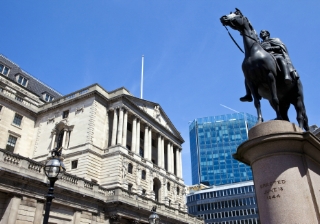
HSBC reduces residential rates by up to 0.11%
The latest reductions cover the bank's first-time buyer, home mover and remortgage ranges.

HSBC UK is reducing rates across its residential mortgage range by up to 0.11 percentage points.
The latest reductions offer support to first-time buyers, home-movers and those seeking to remortgage.
In its first-time buyer range, five-year fixed rates at 60% LTV now start from 4.53% with a £999 fee and 4.64% fee-free. Both products come with £350 cashback, increasing to £700 for energy efficient homes. In addition, a fee-free two-year fixed rate at 95% LTV has decreased to 5.33% with cashback of up to £1,250.
In HSBC's purchase range, a two-year fix at 60% LTV has reduced to 4.49% with a £999 fee and a fee-free two-year fix at 90% LTV has lowered to 5.30%.
Five-year fixed rate reductions include a 75% LTV product with a £999 fee, down to 4.67%, and a fee-free 95% LTV rate which has reduced to 5.19%.
For remortgage, two-year fixes at 60% LTV now start from 4.55% with a £999 fee and 4.83% fee-free. A two-year fix at 90% LTV has decreased to 5.34% and a five-year fix at 75% LTV has reduced to 4.88%, both fee-free. The remortgage products come with £350 cashback for energy efficient homes.

Breaking news
Direct to your inbox:
More
stories
you'll love:
This week's biggest stories:
Iress
Iress expands mortgage and protection distribution through new Access FS platform

FCA
Advice firm employees plead guilty after defrauding clients of £2m
Atom Bank
Try Mortgage Network adds Atom Bank to residential mortgage panel
FCA
MPs call for investigation into FCA's treatment of whistleblowers
This week's biggest stories:
Iress
Iress expands mortgage and protection distribution through new Access FS platform
FCA
Advice firm employees plead guilty after defrauding clients of £2m
Atom Bank
Try Mortgage Network adds Atom Bank to residential mortgage panel
FCA
MPs call for investigation into FCA's treatment of whistleblowers
Mortgage Rates
Average five-year fixed rate mortgage hits 6%

Inflation
Inflation could return to target by end of 2027, economist predicts