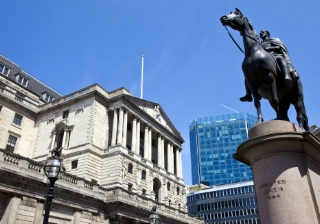
Average stamp duty bill up 1,260% since £125,000 threshold was introduced
Despite the significant rise in house prices, buyers still start paying stamp duty at the same point they did twenty years ago.

The £125,000 threshold at which buyers start paying stamp duty is still at 2006 levels, despite average house prices in England rising by 84% over the same period, according to new analysis from Coventry Building Society.
While temporary increases were introduced following the financial crisis and during the pandemic, the threshold has repeatedly reverted to £125,000 – the level first introduced in 2006.
The average home in England now costs around £291,000 – up from around £159,000 when the current threshold was first introduced. Yet, despite the significant rise in house prices, buyers still start paying stamp duty at the same point they did twenty years ago.
Back in 2006, the average home sat just £34,000 above the nil-rate threshold, today it sits over £166,000 above it.
As a result, the stamp duty bill on an average priced home has risen from £340 in 2006 to £4,570 today – an increase of 1,260%.
Those higher bills continue to generate significant tax revenues for the Treasury – with latest HMRC figures showing homebuyers paid £1.1bn in stamp duty in May, taking total receipts for the year so far to £5.4bn.
The impact has been felt across the country. Buyers purchasing an average-priced home in several northern regions would not have paid any stamp duty when the current threshold was introduced. In the North West, for example, the same purchase now attracts a tax bill of around £1,800.
In London, the stamp duty bill on an average priced home has risen from £1,334 to more than £17,000.
Jonathan Stinton, head of intermediary relationships at Coventry Building Society, said: “The question is whether a threshold designed for the housing market of 2006 still make sense for a housing market twenty years later.
“When the current stamp duty thresholds were introduced, Tony Blair was Prime Minister, the first iPhone hadn’t been released, and the average home in England cost £159,000. Today the average price is a lot different – but the starting point for the tax hasn’t moved.
“It’s not surprising that buyers are paying much larger tax bills when the threshold has been standing still while house prices have risen all around it. In some parts of the country buyers who wouldn’t have paid a penny in stamp duty when the thresholds were introduced are now facing bills worth thousands of pounds.
“Governments have recognised the need to temporarily adjust stamp duty during periods of market stress, whether that was after the financial crisis or during the pandemic – but the underlying structure of the tax has barely changed. The housing market today looks very different to twenty years ago, and with people facing increasingly large tax bills, some serious thought should be given to how property taxes can be made fit for 2026 and beyond.”

Breaking news
Direct to your inbox:
More
stories
you'll love:
This week's biggest stories:
Iress
Iress expands mortgage and protection distribution through new Access FS platform

FCA
Advice firm employees plead guilty after defrauding clients of £2m
Atom Bank
Try Mortgage Network adds Atom Bank to residential mortgage panel

FCA
MPs call for investigation into FCA's treatment of whistleblowers
This week's biggest stories:
Iress
Iress expands mortgage and protection distribution through new Access FS platform
FCA
Advice firm employees plead guilty after defrauding clients of £2m
Atom Bank
Try Mortgage Network adds Atom Bank to residential mortgage panel
FCA
MPs call for investigation into FCA's treatment of whistleblowers
Mortgage Rates
Average five-year fixed rate mortgage hits 6%

Inflation
Inflation could return to target by end of 2027, economist predicts