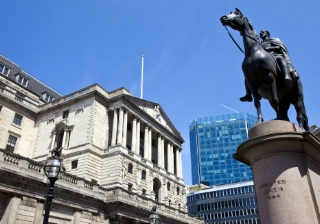
58% of mortgage holders could face repayment increases by 2028: BoE
The FPC warned that sustained increases in mortgage rates and energy prices would put increased pressure on household finances.

New meeting minutes from the Bank of England's Financial Policy Committee (FPC) has revealed the extent of the Iran war on the UK mortgage market.
Average rates for two-year and five-year fixed rate mortgages have risen by an estimated 80 basis points and 70 basis points respectively, based on average daily rates data, however, the rises are smaller than the increase in relevant swap rates.
The total number of mortgage products available in the UK has fallen from around 8,500 to 7,000, but remained above the number of mortgage products available during the 2022 gilt market stress and the initial Covid-19 lockdown, the FPC noted.
The FPC warned that sustained increases in mortgage rates and energy prices would put increased pressure on household finances.
Overnight Index Swap (OIS) rates are used as the benchmark for fixed rate mortgage pricing. Based on current OIS rates, around 5.2 million (58%) mortgagors could face increases in mortgage repayments by 2028 Q4, the FPC's analysis estimates.
However, typical increases in mortgage payments would remain modest in comparison to those experienced in recent years, as most mortgagors were already on higher rates. As such, while mortgage debt-servicing burdens would be expected to increase, they would remain well below historic peaks. The FPC concluded it "would take large and persistent increases in borrowing costs and energy prices to impair households’ ability to service their mortgage debt in aggregate".
Iran conflict has triggered 'significant market reactions'
More broadly, the FPC discussed how the conflict in West Asia has resulted in a "substantial negative supply shock to the global economy" which has triggered "significant market reactions, including large and volatile upward moves in global energy prices and government bond yields".
The Committee said that the financial system has been resilient so far, however, the shock will "weigh on growth, increase inflation and tighten financial conditions".
It raised concerns that this is likely to interact with vulnerabilities in risky asset valuations and risky credit markets, notably in private credit.
"Adverse impacts on the global macroeconomy increase the likelihood that multiple vulnerabilities could crystallise at the same time, amplifying their effect on financial stability and, ultimately, the provision of vital financial services to UK households and businesses", the FPC warned.
The Committee concluded: "The conflict has made the global environment materially more unpredictable and followed a period in which global risks were already elevated. This increases the possibility of large, frequent and potentially overlapping shocks and periods of intense volatility. Heightened uncertainty and unpredictability have made it harder for markets to price underlying economic fundamentals, increasing the likelihood and magnitude of sharp market shifts in response to new information. The ultimate impact on financial stability will depend on the duration, scale and repercussions of the conflict, including whether any additional shocks materialise around the same time."

Breaking news
Direct to your inbox:
More
stories
you'll love:
This week's biggest stories:
Iress
Iress expands mortgage and protection distribution through new Access FS platform

FCA
Advice firm employees plead guilty after defrauding clients of £2m
Atom Bank
Try Mortgage Network adds Atom Bank to residential mortgage panel
FCA
MPs call for investigation into FCA's treatment of whistleblowers

This week's biggest stories:
Iress
Iress expands mortgage and protection distribution through new Access FS platform
FCA
Advice firm employees plead guilty after defrauding clients of £2m
Atom Bank
Try Mortgage Network adds Atom Bank to residential mortgage panel
FCA
MPs call for investigation into FCA's treatment of whistleblowers
Mortgage Rates
Average five-year fixed rate mortgage hits 6%

Inflation
Inflation could return to target by end of 2027, economist predicts