The affluent advice gap: 8.6 million unadvised UK adults are sitting on £1.61 trillion
Cost is the most common reason for not seeking advice, cited by 28% of respondents.

Around 8.6 million UK adults aged between 35 and 70 hold at least £20,000 in investible assets but do not pay for financial advice, according to new research from the lang cat.
Between them, this unadvised segment of the UK population holds an estimated £1.21trn in investible assets and another £392bn in defined contribution pension wealth, a combined £1.61 trillion.
The research sets out the first attempt to put a figure on the ‘affluent advice gap’: people who have £20,000 or more in investible assets and are not being served by an advice proposition. These are people self-managing and not seeking advice who should and could afford it.
A second group, larger by total number of people but smaller in terms of addressable wealth, sits below that bar. The 'affordable advice gap' covers around 15.4 million adults with less than £20,000 in investible assets, holding around £63.8bn between them (excluding DC pension assets).
Cost the most cited barrier
Of those who do not access regulated financial advice, the most common reason is cost, cited by 28% of respondents. Self-reliance is close behind, with a quarter (25%) saying they can look after their own money, compared to 20% of all adults from last year’s report.
Reluctance to access advice is not confined to lower earners: two-thirds (68%) of those who have not paid for advice in the past two years say they are unlikely to do so, falling only to 45% among those with income above £70,000. At the same time, 16% of adults in households earning more than £70,000 did not access advice but said they needed it, slightly up from 14% last year.
Among those who did pay, the overwhelming majority (96%) found the advice they received helpful, up from 93% in 2025.
Even though the retail distribution review (RDR) came into effect almost 14 years ago, more than three-quarters (78%) of those who have not paid for advice in the past two years are concerned that any advice they might seek may be influenced by the adviser earning commission.
Nearly the same proportion are concerned that advice fees will not be worth it. RDR ended commission on retail investment and pension advice at the end of 2012.
More demand may be on its way
With pensions falling under the inheritance tax regime from April 2027, there may be a greater demand for good, regulated financial advice on the horizon. HMRC estimates that around 213,000 estates will have inheritable pension wealth in 2027/28. Of those, 10,500 will face an inheritance tax liability they would otherwise have avoided before the new rules, and 38,500 will pay more than they would have done before April 2027.
HMRC expects the Exchequer to gain £640m in the next tax year alone, which works out at around £13,000 each across roughly 49,000 families, with the impact running into tens of thousands of pounds at the top end.
Amal Jolly, CEO of Saturn, sponsors of the research, said: “For advice firms, the lang cat’s estimate of 8.6 million unadvised adults holding £1.61 trillion points to a substantial opportunity to bring financial planning to more families. With 28% of those not accessing advice citing cost, making advice more affordable has to be part of the answer.
“AI operating systems can help firms reduce the cost and complexity of delivering advice, making it commercially viable to serve more people. They can also give advisers more time to understand each family and support them through the financial decisions that shape their lives.
“That’s what we’re building towards at Saturn: helping advisers become trusted partners across a family’s financial life, with technology enabling them to reach more people and provide better support.”
Mark Polson, CEO of the lang cat, commented: “Everyone in this industry agrees the Advice Gap is a problem, but the real issue is everyone means something slightly different by it. We wanted to put a number on the part of it that commercial businesses could do something about. These aren’t small numbers we’re talking about: 8.6 million people, £1.61 trillion between them, and no adviser within earshot.
“The finding that should make everybody sit up and pay attention is the 78% who are concerned that advice might be influenced by advisers earning commission. Advisers have not been able to take commission in 14 years. Somehow, it’s long enough to grow and nurture a very grumpy teenager who listens exclusively to My Chemical Romance, but not long enough to banish the outdated and unfair perception of advisers selling overpriced UK equity funds at 3% to line their own pockets.”

Breaking news
Direct to your inbox:
More
stories
you'll love:
This week's biggest stories:
Interest Rates
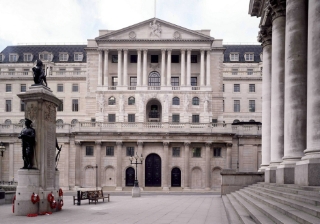
Bank Rate held at 3.75% but November rise expected
Mortgage Rates
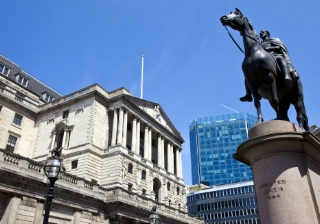
Mortgage rates see second wave of hikes ahead of this week's Bank Rate decision

Inflation
Markets price in multiple rate rises as inflation increases to 3.1%
In The Spotlight
'Failure to nurture the existing client base represents a significant missed opportunity': Toni Robinson-Bowring, Twenty7tec
Inflation
Markets price in multiple rate rises as inflation increases to 3.1%
In The Spotlight
'Failure to nurture the existing client base represents a significant missed opportunity': Toni Robinson-Bowring, Twenty7tec
Pepper Money
Pepper Money backs Scottish mortgage excellence as headline partner of inaugural awards

This week's biggest stories:
Interest Rates
Bank Rate held at 3.75% but November rise expected
Mortgage Rates
Mortgage rates see second wave of hikes ahead of this week's Bank Rate decision
Inflation
Markets price in multiple rate rises as inflation increases to 3.1%
In The Spotlight
'Failure to nurture the existing client base represents a significant missed opportunity': Toni Robinson-Bowring, Twenty7tec
Pepper Money
Pepper Money backs Scottish mortgage excellence as headline partner of inaugural awards
Twenty7Tec
Remortgaging drives mortgage searches as purchase activity softens
