Mental wellbeing improves across the mortgage industry, but risks remain: MIMHC
The largest-ever Mortgage Industry Mental Health Charter (MIMHC) Health & Wellbeing Survey found that good or excellent mental wellbeing has risen to 53%, but visible employer support has reduced.

"Mental health awareness across our industry has come a very long way. The next phase has to be about turning that awareness into practical, visible and measurable action."
- Jason Berry - MIMHC
The Mortgage Industry Mental Health Charter (MIMHC) Health & Wellbeing Survey 2026 has found that mental wellbeing across the UK mortgage industry has seen significant improvement over the last year. However, problems around working hours, sleep, workplace pressures and access to visible employer support remain.
The research collected responses from 536 people across the mortgage sector, up from around 300 in 2025, providing MIMHC with its largest evidence base since the annual research began. 53% of respondents now describe their overall mental wellbeing as good or excellent, up from approximately 41% in 2025, while those describing their wellbeing as poor or of concern have fallen from approximately 22% to 15%.
Nevertheless, the survey also found that almost half of respondents still work more than 45 hours a week, despite this improving from around 59% in 2025 to 49% in 2026, and nearly 9% continue to report working more than 60 hours.
Around 21% do not get eight hours' sleep on any of the working days in a typical week, while approximately 63% achieve that level of sleep on no more than three working days, virtually unchanged year-on-year.
In addition, while 29% say their wellbeing has improved over the previous 12 months, almost half say it has stayed the same and 24% believe it has worsened.
The MIMHC says that one of the most striking findings is the apparent reduction in the visibility and reach of workplace wellbeing support. 53% of respondents say their company currently participates in a mental health or wellbeing initiative or strategy, compared with 70% in 2025. Meanwhile, 30% say their employer does not participate in such initiatives, and 17% said they do not know.
Similarly, just 35% believe their workplace's mental health and wellbeing provision has improved over the past year, down from 47% in 2025.
MIMHC says that the larger 2026 respondent base means that the findings should not automatically be interpreted as employers withdrawing support, but the results raise important questions about whether existing provision is sufficiently visible and accessible to employees.
The survey also found that the economic environment is now the largest defined source of workplace stress, cited by 30% of respondents, but workload, targets, staffing shortages, internal systems, management change and lender and solicitor service also feature repeatedly, suggesting that everyday operational friction is contributing to people's stress.
Around 67% identified the first half of 2026 as the most stressful period of the previous 12 months, including 38% who selected January to March alone. This contrasts with the 2025 survey, when the final quarter of 2024 was the dominant pressure point.
Hybrid remains the largest working model at 45%, while permanent home working has increased from 32% to 37%. Just 18% report having returned to the office, meaning more than four in five respondents spend at least some of their working week away from a traditional office environment.
However, only 30% now say their working arrangements have improved their mental health, down from 39% in 2025. MIMHC says this suggests flexible working has matured into part of the industry's infrastructure rather than being a wellbeing solution in itself.
The anonymous responses provide an indication of what people now want from employers and the wider industry, including human check-ins, confidential professional support, healthier workloads and boundaries, better-trained managers, greater connection and specific support for self-employed and potentially isolated advisers.
In response, MIMHC says it will focus its 2027 programme around six areas: healthier balance, confident leadership, wellbeing in business, stronger connections, personal resilience and sustained impact. This will include mental health first aid, practical resources for managers, industry events, physical wellbeing and connection initiatives, peer communities and continued engagement with leaders across the mortgage sector.
The Charter is also calling on more mortgage businesses to become signatories and on existing supporters to strengthen their commitment by making wellbeing visible, equipping managers, protecting healthy working conditions and routinely measuring employee wellbeing.
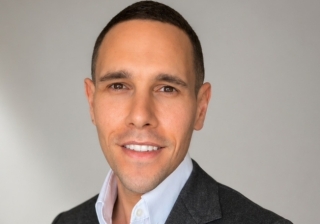
Jason Berry, co-founder of the Mortgage Industry Mental Health Charter, said: "There is a huge amount to be encouraged by in this year's results. Seeing good or excellent mental wellbeing increase from 41% to 53%, alongside fewer people reporting poor or concerning wellbeing, represents real progress and should be recognised. But we mustn't allow an improving headline number to disguise what is happening underneath it.
"Almost half of our respondents are still working more than 45 hours a week, sleep has barely improved, almost three quarters have either seen no improvement in their wellbeing or feel it has worsened, and fewer people recognise meaningful wellbeing provision from their employer.
"For me, that creates a really important question for our industry: are we actually working in a healthier way, or have people simply become better at coping with the pressure?
"Mental health awareness across our industry has come a very long way. The next phase has to be about turning that awareness into practical, visible and measurable action.
"This isn't about working less, lowering expectations or reducing ambition. It is about creating an industry where people can perform at a high level, build successful careers and achieve their ambitions without routinely sacrificing the things that keep them well.
"Our goal for 2027 is simple: fewer people merely coping and more people genuinely thriving."

Breaking news
Direct to your inbox:
More
stories
you'll love:
This week's biggest stories:
FCA
FCA bans and fines financial adviser more than £740,000

In The Spotlight
'Turbulence in the mainstream market creates opportunities in the specialist space': Josh Knight, Glenhawk
Housing Market
Almost half of home sellers hit by broken property chains

Regulation
FCA bans and fines trio behind £35.5m investment scheme
This week's biggest stories:
FCA
FCA bans and fines financial adviser more than £740,000
In The Spotlight
'Turbulence in the mainstream market creates opportunities in the specialist space': Josh Knight, Glenhawk
Housing Market
Almost half of home sellers hit by broken property chains
Regulation
FCA bans and fines trio behind £35.5m investment scheme
Pension
1 million to receive HMRC letters inviting claims for ‘low earner’s pension payment'

Housing Market
July housing transactions dip 2% amid 'cautious market': HMRC