CPI falls to lowest level on record
The Consumer Prices Index is at its joint lowest level since records began in 1996, according to the latest statistics from the ONS.

Deprecated: trim(): Passing null to parameter #1 ($string) of type string is deprecated in C:\inetpub\wwwroot\2025.financialreporter.co.uk\htdocs\templates\front-end\partials\article_blockquote.php on line 2
CPI grew by 0.5% in the year to December 2014, down from 1.0% in November.
The main contribution to the slowdown was due to the continuing drop in gas, electricity and motor fuel prices.
Economists had predicted a drop to around 0.7% due to the slide in global oil prices.
The rate of Retail Prices Index inflation fell to 1.6% from 2% the previous month.
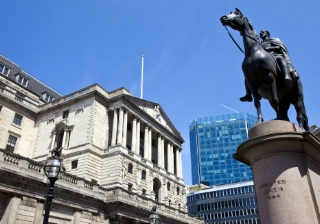
The fall in CPI also means that Bank of England governor Mark Carney will have to write a letter to Chancellor George Osborne explaining why the figure has drifted more than a full percentage point from the central target of 2%.
Rain Newton Smith, CBI Director of Economics, said:
“Inflation fell even more than expected this month.
“The good news is that lower petrol prices are leaving households with a bit more in their pockets, which should help to support spending and growth in the UK. However, while lots of businesses will also benefit from lower costs, North Sea oil producers are facing tough times.
“With falling inflation rates and subdued earnings growth, we do not see the first rise in interest rates happening any time soon. Even by the end of 2016 the stance of monetary policy is likely to remain loose, providing a bit more breathing space for the UK’s recovery.”
Guy Ellison, Head of UK equities at Investec Wealth & Investment, said:
“UK inflation on a CPI basis undershot expectations for December, coming in at 0.5% year-on-year and driven by a combination of lower food and energy bills. The core reading, excluding these more transient factors, actually increased marginally to 1.3% year-on-year and it is this number which the Bank of England should focus on when considering rate policy. Indeed, with the ongoing fall in the oil price there is a chance that headline CPI approaches 0% in the coming months.
“The broader reaction to today’s data is likely to be modest weakness for sterling, as the need for the BoE to raise rates sooner rather than later to ward off inflation diminishes.”
Gautam Batra, Investment Strategist at Signia Wealth, said:
“The oil price fall and the subsequent supermarket price war continue to take their toll on today’s UK CPI figures. For investors, the UK policy rate outlook remains in the shadow of the looming general election and an increasingly divided electorate. The Bank of England also faces a tough task in setting policy considering the competing issues of eroding spare capacity alongside inflation being temporarily dampened by energy prices. We continue to believe that the BOE will look past the transitory impact of weaker oil and will raise rates soon after polling day.”
Breaking news
Direct to your inbox:
More
stories
you'll love:
This week's biggest stories:
Lloyds
Lloyds Banking Group launches £5,000 deposit mortgage
Mortgage Rates
Barclays relaunches sub-4% mortgage rate
FCA
FCA bans and fines director £755,000 for advice and insurance failures
Bank Of England
Bank of England holds interest rates at 3.75% in 8-1 vote
Mortgages
Mortgage affordability at tightest level since 2008: UK Finance

Nationwide
Nationwide cuts mortgage rates by up to 0.36%